Flavors of the Capital: Where Islamabad’s Culture Comes Alive on a Plate
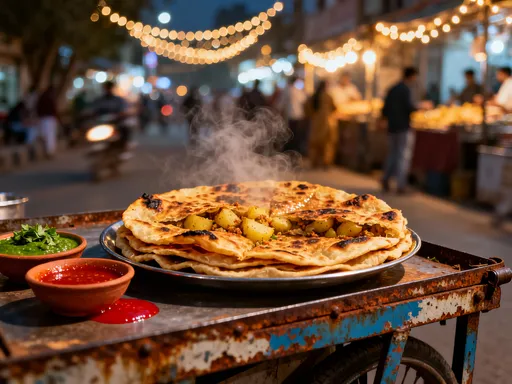
You know what? I never expected Islamabad to hit me right in the soul through its food. This city isn’t just about wide avenues and marble mosques — it’s a living canvas of flavors, where every bite tells a story of tradition, craft, and warmth. From street-side parathas stuffed with spiced potatoes to hand-pounded kebabs served in bustling dhabas, the capital’s cuisine is art you can taste. And the best part? It’s all woven into the rhythm of daily life. More than any monument or museum, it’s the food that reveals the true heartbeat of Islamabad — layered, generous, and quietly proud. To understand this city, you don’t just walk its streets. You taste them.
A City Beyond the Surface
Islamabad is often described in terms of order and elegance — a city of tree-lined boulevards, geometric precision, and diplomatic silence. Designed in the 1960s as a modern capital, it carries the reputation of being reserved, even austere. Yet beneath this composed exterior lies a rich, often overlooked cultural pulse: one that beats strongest in the sizzle of griddles, the clatter of spice grinders, and the laughter that rises from shared meals. The truth is, Islamabad’s soul is not confined to government buildings or sweeping vistas. It lives in the aroma of cumin and coriander that drifts through its markets, in the golden layers of freshly fried samosas, and in the warmth of a stranger offering you a cup of chai.
For many visitors, the city’s culinary identity is a revelation. Unlike Lahore’s flamboyant food culture or Karachi’s chaotic street eats, Islamabad’s gastronomy unfolds with quiet dignity. It’s not loud, but it is deep — rooted in hospitality, shaped by migration, and sustained by a deep respect for tradition. Families from Peshawar, Multan, Sindh, and Gilgit have all brought their flavors here, blending regional specialties into a capital cuisine that is both diverse and harmonious. This is a city where a Pashtun recipe might be cooked in a Punjabi style and served in a modern café — not as fusion for trend’s sake, but as a natural evolution of shared living.
What makes Islamabad’s food culture unique is its accessibility. You don’t need a special occasion to enjoy a meal of nihari or paya. These dishes appear at dawn in neighborhood eateries, served with care to office workers, students, and elders alike. The city’s planned layout may suggest distance, but its food brings people together. In Islamabad, a meal is never just about sustenance. It’s an invitation to connect, to slow down, and to experience the city not as a spectator, but as a guest.
The Soul of Pakistani Cuisine: More Than Just a Meal
Pakistani cuisine is often misunderstood as merely spicy or heavy. In reality, it is a refined tradition shaped by centuries of cultural exchange, agricultural abundance, and domestic artistry. At its core, it is not about quantity, but balance — the harmony of heat, tang, aroma, and texture. Each dish reflects a philosophy of care, where time is treated as an ingredient. A pot of slow-cooked haleem simmers for hours, its grains and meat breaking down into a velvety richness. A bowl of yakhni pulao is built on a foundation of delicate broth, infused with whole spices and finished with a touch of saffron. These are not fast meals. They are acts of patience, love, and memory.
Cooking in Pakistan is often a multi-generational practice, passed from mother to daughter, grandmother to granddaughter. The techniques are rarely written down; they are learned through touch, smell, and repetition. The way a dough is kneaded, the rhythm of stirring a curry, the precise moment when a biryani is sealed with dough — these are skills honed over decades. In many homes, the kitchen is the heart of the house, not just because it feeds the body, but because it preserves identity. A recipe for a family’s special kofta curry or a grandmother’s pickled mangoes is more than a list of ingredients. It is a story, a connection to a place, a season, or a lost home.
Hospitality is another cornerstone of Pakistani food culture. To be invited for a meal is to be welcomed into someone’s world. Guests are offered the best portion, encouraged to eat more, and often sent home with leftovers. This generosity is not performative — it is deeply ingrained. Even in modest homes, extra food is prepared just in case someone drops by. The act of sharing a meal is seen as a sacred duty, a way of building trust and community. In a world that often feels hurried and transactional, this tradition offers something rare: the comfort of being truly seen and cared for.
Street Food as Living Culture: Tasting the Pulse of the City
If the home kitchen is the heart of Pakistani cuisine, then the street food vendor is its pulse. In Islamabad, this rhythm is strongest in places like F-7 Markaz, one of the city’s most vibrant commercial hubs. As the sun sets, the sidewalks come alive with small stalls and carts, each one a microcosm of culinary heritage. The air fills with the scent of frying onions, roasted cumin, and freshly ground chilies. Men in white aprons press parathas on hot tawas, their hands moving with practiced ease. Women in colorful shawls serve steaming cups of doodh wali chai, its milky sweetness balanced with cardamom and a hint of ginger.
One of the most beloved street snacks is chana chaat — a humble yet complex dish made with boiled chickpeas, chopped potatoes, tomatoes, and onions, all tossed in a tangy tamarind chutney and sprinkled with chaat masala. Served in a disposable bowl and eaten with a small spoon, it is a burst of flavor and texture: creamy, crunchy, sour, and spicy all at once. It’s the kind of food that makes you close your eyes and smile after the first bite. Equally iconic are the golden samosas, their flaky pastry giving way to a filling of spiced potatoes and peas, best enjoyed with a side of green mint chutney that tingles on the tongue.
Another street staple is the dhaba-style kebab. These are not the delicate, skewered varieties found in fine dining restaurants, but robust, hand-chopped meat patties grilled over open flames. Made from beef or chicken, they are seasoned with garlic, coriander, and green chilies, then served on a bed of onions with a squeeze of lemon and a side of rumali roti. The experience is tactile and immersive — tearing the bread, wrapping the kebab, feeling the heat from the grill. These moments are not just about eating. They are about being part of the city’s daily rhythm, standing shoulder to shoulder with students, drivers, and shopkeepers, all united by a shared love of good food.
Hidden Kitchens: Home-Style Cooking and Culinary Keepers
Some of the most authentic flavors in Islamabad are not found in restaurants or markets, but behind closed doors. In neighborhoods across the city, women — and sometimes men — are quietly preserving regional cuisines through home-based cooking initiatives. These are not commercial enterprises in the traditional sense. They are labor-of-love efforts to keep ancestral recipes alive. A woman from Peshawar might prepare a weekly batch of peshawari pulao, a fragrant rice dish layered with caramelized onions, dried fruits, and tender chunks of meat, cooking it in a heavy-bottomed pot just as her mother did. Another might specialize in multani saaj, a spicy yogurt-based curry from southern Punjab, known for its cooling effect in the summer heat.
These home cooks often operate through word of mouth or social media, offering their dishes for pre-order. Customers pick up meals in reusable containers, sometimes with a handwritten note or a small extra portion as a gesture of goodwill. The experience is deeply personal. There is no menu, no branding — just food made with intention. Some of these women have begun hosting small gatherings, inviting guests into their homes for a full meal. These events are more than dining experiences. They are cultural exchanges, where stories are shared, traditions explained, and connections formed over shared plates.
What makes these hidden kitchens so valuable is their role in cultural preservation. As younger generations move toward convenience foods and global tastes, many regional dishes are at risk of fading away. But in these homes, the old ways are not just remembered — they are lived. The careful grinding of spices, the use of traditional utensils like the degchi (a deep cooking pot), the seasonal timing of certain dishes — all of these practices are maintained with quiet pride. These culinary keepers are not chefs in the modern sense, but they are artists in their own right, shaping the city’s food identity one meal at a time.
Food Meets Craft: Markets, Spices, and the Art of Presentation
In Islamabad, food is not only tasted — it is seen, touched, and admired. Nowhere is this more evident than in the city’s bustling markets, where the visual appeal of ingredients is celebrated as much as their flavor. Jinnah Super Market, one of the oldest and most respected shopping areas, is a feast for the senses. Stalls overflow with pyramids of turmeric, their bright yellow powder glowing in the sunlight. Crimson chili flakes are piled high in woven baskets, while bundles of fresh mint, coriander, and curry leaves add splashes of green. Sacks of basmati rice stand like sand dunes, their long grains shimmering like silk.
But the artistry goes beyond abundance. The way spices are displayed — sorted by color, texture, and origin — turns the market into a living gallery. Shopkeepers take pride in their arrangements, often using wooden trays or brass bowls to showcase their finest blends. Hand-ground garam masala, a signature mix of cinnamon, cloves, cardamom, and black pepper, is sold in small paper packets, its aroma so potent it lingers on your clothes. These are not just ingredients. They are the palette from which the city’s cuisine is painted.
Presentation extends to the table as well. Even in modest homes, meals are served with care. Rice is molded into neat mounds, garnished with fried onions and fresh herbs. Curries are ladled into bowls with a swirl, sometimes finished with a drizzle of golden ghee. Traditional brass or copper serving dishes are still used in many households, their warm tones adding elegance to the meal. Even street food is plated thoughtfully — a samosa is never just dropped on paper. It is arranged with chutneys on the side, sometimes with a sprig of coriander for color. In Islamabad, beauty is not reserved for special occasions. It is part of the everyday ritual of eating.
Modern Bites: How Cafés and Chefs Are Reinventing Tradition
While tradition remains strong, Islamabad’s food scene is not static. A new generation of chefs and food entrepreneurs is reimagining Pakistani cuisine with creativity and respect. In boutique cafés and farm-to-table restaurants, classic dishes are being refined without losing their soul. These are not attempts to Westernize the cuisine, but thoughtful evolutions that honor its roots while embracing modern sensibilities. A young chef might serve a desi-style risotto, using basmati rice slow-cooked in a spiced bone broth and finished with a touch of kewra water, a floral essence used in traditional sweets. Another might present kulfi — the dense, creamy Pakistani ice cream — as a deconstructed dessert, paired with saffron foam and candied rose petals.
These innovations are often born out of personal journeys. Many of these chefs grew up abroad or studied culinary arts overseas, only to return home with a renewed appreciation for their heritage. They see the depth of Pakistani flavors not as something to escape, but as a foundation to build upon. Their menus are carefully curated, using seasonal, locally sourced ingredients whenever possible. A summer platter might feature grilled okra with tamarind glaze, heirloom tomatoes with chaat spices, and yogurt infused with roasted cumin. These dishes are not loud or flashy. They are subtle, balanced, and deeply flavorful — a reflection of the city’s evolving taste.
What sets these modern spaces apart is their atmosphere. Unlike the formality of high-end restaurants, they feel welcoming and intimate. Wooden tables, soft lighting, and shelves lined with cookbooks create a warm, home-like vibe. Many host cooking workshops, storytelling nights, or live music, turning dining into a communal experience. These cafés are not replacing traditional dhabas or home kitchens. They are adding new chapters to the city’s food story, proving that tradition and innovation can coexist with grace.
How to Eat Like a Local: Practical Tips for a Meaningful Experience
For visitors, experiencing Islamabad’s food culture goes beyond just trying new dishes. It’s about engaging with the rhythm of daily life, showing respect, and being open to connection. The best meals often come from simple interactions — a smile exchanged with a vendor, a polite request to know what’s in a dish, or the willingness to sit on a plastic stool at a roadside stall. Timing matters too. Many street vendors set up in the early morning or late evening, when the heat of the day has passed. A visit to F-7 Markaz around 7 PM offers the full sensory experience: the buzz of conversation, the glow of lanterns, the sizzle of griddles.
When approaching street food, it’s important to observe hygiene without being judgmental. Look for stalls with high turnover, clean utensils, and covered food. Don’t be afraid to ask questions — most vendors are happy to explain what they’re serving. If you’re unsure about spice levels, ask for “medium” or “mild.” And always carry small change; many vendors don’t accept digital payments. When eating, take your time. Savor each bite. Notice the layers of flavor, the textures, the warmth of the bread. This is not fast food. It’s food meant to be enjoyed slowly, shared, and remembered.
Seasonality also plays a role. In winter, you’ll find hearty dishes like halwa poori and nihari, often eaten for breakfast. Summer brings lighter options — chilled yogurt drinks like lassi and chaas, fruit chaats with mango and watermelon, and cooling curries made with yogurt and cucumber. If you’re invited into a home, accept with gratitude. Remove your shoes if asked, compliment the food sincerely, and don’t rush to leave. In Pakistani culture, lingering after a meal is a sign of respect. It means you enjoyed yourself. And above all, eat with your hands when appropriate. It’s not just traditional — it’s a way of connecting more deeply with the food.
Conclusion: A Feast for the Senses, A Window to the Soul
To taste Islamabad is to understand it. Behind every dish is a story — of migration, memory, and the quiet pride of a people who value warmth over spectacle. This city’s cuisine is not loud or flashy, but it is profound. It speaks of mothers waking before dawn to prepare breakfast, of grandfathers sharing recipes over tea, of strangers becoming friends over a shared plate of kebabs. In a world that often prioritizes speed and convenience, Islamabad offers something different: the beauty of slowness, the richness of tradition, and the generosity of shared meals.
The flavors of the capital are more than just food. They are a living archive of culture, a testament to resilience, and an open invitation to belong. Whether you’re sipping doodh wali chai at a roadside stall or savoring a home-cooked peshawari pulao, you are not just eating. You are participating in a tradition that has been shaped by generations. So when you visit Islamabad, don’t just see the sights. Taste them. Let the spices linger on your tongue. Let the warmth of a shared meal remind you of what truly matters. Because in this city, every bite is a brushstroke in a larger portrait — one of patience, pride, and the quiet joy of being together.