You Won’t Believe What Okinawa’s Hidden Spots Just Revealed
Okinawa, Japan, is far more than turquoise waters and sandy beaches—it’s a place where ancient culture meets breathtaking nature. I was stunned by how untouched some of its most stunning scenic spots remain. From misty cliffs to secret coves, every turn feels like stepping into a dream. This isn’t just a tropical getaway; it’s a journey through serenity, tradition, and natural wonder waiting to be explored. With its subtropical climate, unique Ryukyuan heritage, and landscapes shaped by both time and reverence, Okinawa offers a travel experience unlike any other in Japan. It invites visitors not only to see but to feel—a slow unfolding of beauty that lingers long after departure.
The First Glimpse: Arriving in Okinawa with No Expectations
Stepping off the plane at Naha Airport, one is immediately greeted by a wave of warm, humid air carrying the faint scent of salt and blooming frangipani. The pace here is different—slower, gentler, as if time itself has taken a deep breath. Unlike the bustling energy of Tokyo or Kyoto, Okinawa unfolds with quiet grace. Even the city of Naha, the island’s capital, maintains a relaxed rhythm, where markets hum with local chatter and palm trees sway above quiet side streets. This is not mainland Japan, and that difference is felt instantly.
Geographically, Okinawa is a chain of islands stretching southwest from Kyushu toward Taiwan, forming the southernmost prefecture of Japan. Culturally, it stands apart. The islands were once the independent Ryukyu Kingdom, a maritime trading hub with influences from China, Japan, and Southeast Asia. This legacy lives on in the language, music, cuisine, and spiritual practices unique to the region. Visitors quickly notice the red-tiled roofs, the stone walls built without mortar, and the ornate shisa lion-dog statues guarding homes and shops.
But beyond the visible markers, it’s the feeling of Okinawa that leaves an impression. There’s a sense of openness, of space and sky, even in populated areas. The light seems softer, the colors more vivid. And while many come for the beaches—especially the famous shores of the Kerama Islands—those who linger discover that Okinawa’s true magic lies in its quieter corners. These are places where nature hasn’t been tamed, where tradition flows as naturally as the tide, and where every path leads not just to a view, but to a moment of stillness.
Beyond the Beaches: Discovering Okinawa’s Underrated Natural Landscapes
While Okinawa’s beaches draw well-deserved praise, the islands’ inland and coastal landscapes offer equally stunning, yet far less crowded, experiences. Cape Manzamo, on the west coast of Okinawa Island, is one such gem. Carved by centuries of wind and waves, this limestone cliff juts dramatically into the East China Sea. Its name, meaning “one who sits in contemplation,” reflects the peaceful vantage point it offers. At sunset, the sky ignites in hues of gold and coral, casting long shadows across the water. Fewer people come here in the early morning, when mist rises off the ocean and the only sound is the distant crash of waves.
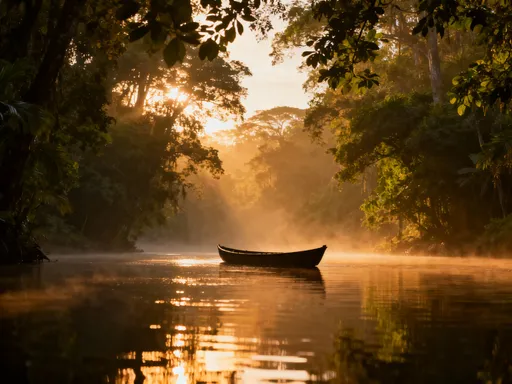
Further north, the Yanbaru region covers much of the northern third of Okinawa Island. This subtropical forest is a UNESCO World Heritage Site, recognized for its rich biodiversity. Towering trees draped in vines create a canopy that filters sunlight into dappled patterns on the forest floor. Birdsong fills the air—especially the call of the Okinawa rail, a rare flightless bird found nowhere else on Earth. Hiking trails wind through the jungle, leading to hidden waterfalls and moss-covered stone paths that once connected ancient villages. The air is thick with moisture and the scent of damp earth, a reminder that this is a living, breathing ecosystem.
Another lesser-known destination is Iheya Island, a small, serene escape accessible by ferry from the Motobu Peninsula. Its coastline is a study in contrasts—rugged cliffs on one side, calm turquoise coves on the other. The waters around Iheya are home to vibrant coral reefs, making it a favorite among local divers and snorkelers who seek tranquility over tourism. The island’s population is small, and life moves at a gentle pace. There are no large resorts, no traffic lights—just quiet lanes, traditional homes, and views that stretch endlessly across the sea. These places remind visitors that beauty does not require crowds to be meaningful.
How Local Culture Shapes the Scenery
In Okinawa, the land is not just seen—it is respected. The Ryukyuan belief system, rooted in ancestor veneration and nature worship, has shaped the way people interact with their environment for centuries. Sacred groves, known as utaki, are tucked into forests, behind villages, or near the sea. These are not tourist attractions but places of quiet reverence, often marked only by a simple gate or a pair of shisa statues. Visitors are expected to observe in silence, to walk lightly, and to leave no trace.
One of the most visible cultural imprints on the landscape is the use of coral limestone in construction. Dry stone walls, built without mortar, line roads and fields across the islands. These walls are more than functional—they are a symbol of harmony with nature. They allow wind to pass through during typhoons, blend naturally into the surroundings, and require no industrial materials. Their craftsmanship has been passed down through generations, a quiet testament to resilience and respect.
Villages like Taketomi, while visited by tourists, still reflect traditional Ryukyuan design. Houses are low to the ground, with red-tiled roofs and white coral stone walls. Paths are paved with coral sand, which helps keep the air cool and reduces dust. The layout of the village follows the natural contours of the land, avoiding disruption to the environment. Even the placement of trees and shrubs is intentional, offering shade and privacy while maintaining openness to the breeze. These details are not accidental—they are the result of centuries of living in balance with the subtropical climate.
Music and dance also reflect this connection. The sound of the sanshin, a three-stringed instrument similar to a banjo, often accompanies community gatherings. Its melodies echo the rhythms of the ocean and the rustle of palm leaves. Traditional dances tell stories of harvests, fishing, and prayers for good weather—reminders that life here has always depended on nature’s generosity. When visitors take the time to understand these cultural layers, the scenery becomes more than picturesque; it becomes meaningful.
Smart Destination Choices: Balancing Popularity and Authenticity
Okinawa’s most famous sites, such as Shuri Castle in Naha and the Blue Cave on Ishigaki Island, attract thousands of visitors each year. Shuri Castle, once the palace of the Ryukyu Kingdom, is a powerful symbol of Okinawan history and identity. Rebuilt after wartime destruction and again after a 2019 fire, it remains a must-see for those interested in the region’s royal past. The Blue Cave, with its ethereal underwater light, is a diver’s dream. But popularity brings challenges—crowds, noise, and environmental strain.
The key to a fulfilling experience lies in timing and intention. Visiting Shuri Castle early in the morning, before tour groups arrive, allows for a more reflective visit. Weekdays are generally quieter than weekends. Similarly, the Blue Cave is best explored through small, locally operated dive tours that limit group size and emphasize safety and respect for marine life. These operators often share stories about the cave’s significance and the importance of coral conservation.
For those seeking alternatives, lesser-known sites offer equal beauty with greater peace. Instead of the crowded beaches of Emerald Beach, consider the shores of Kouri Island, where a scenic bridge offers panoramic views and walking paths lead to secluded spots. Rather than the bustling Naha Market, explore the farmers’ market in Nago, where local elders sell fresh turmeric, bitter melon, and sea grapes grown in backyard gardens. These places provide authentic glimpses into daily life without the pressure of mass tourism.
Responsible travel also means making sustainable choices. This includes avoiding single-use plastics, staying on marked trails, and refraining from touching or removing coral. Many local organizations offer beach clean-up events, which are open to visitors who want to give back. By choosing to travel mindfully, visitors help preserve Okinawa’s beauty for future generations. Authenticity isn’t found in avoiding people—it’s found in sharing space with respect.
Daily Rhythms and Scenic Moments: Experiencing Okinawa Like a Local
The true essence of Okinawa reveals itself not in grand landmarks, but in the quiet moments of daily life. At dawn, along the coast of Onna Village, fishermen haul in their nets, their silhouettes sharp against the rising sun. The catch of the day—often small reef fish, sea urchins, or octopus—will end up in local markets or family kitchens. Watching this ritual, one senses a deep connection between the people and the sea, a rhythm that has continued for generations.
Walking rural paths lined with hibiscus and flame trees, visitors might encounter elders tending to small gardens or sitting on wooden benches, sipping jasmine tea. A simple nod or “Hai, saa!” (a friendly Okinawan greeting) can lead to a warm exchange. In coastal towns like Cape Zanpa or Henza Island, the afternoon light bathes everything in gold. Children play near the shore, their laughter carried by the breeze, while laundry flutters on lines outside pastel-colored homes.
One of the most peaceful experiences is simply sitting by the water with a cup of awamori, Okinawa’s traditional distilled spirit, or a glass of cha-ji-mugi tea, made from roasted brown rice. The act of pausing, of letting the mind settle, becomes part of the journey. There are no schedules, no demands—just the sound of waves, the cry of a distant bird, and the slow drift of clouds across a vast blue sky. These are the moments that stay with travelers, not because they were planned, but because they were allowed to happen.
Slowing down also enhances appreciation for Okinawa’s culinary traditions. Meals are often shared family-style, featuring dishes like goya champuru (bitter melon stir-fry), Okinawan soba (wheat noodles in broth), and mozuku, a type of seaweed rich in nutrients. Ingredients are fresh, often sourced the same day. Eating at a small, family-run restaurant or a roadside stand offers not just flavor, but connection. The cook might explain how her grandmother taught her to balance the bitterness of goya with egg and tofu, or how the recipe for simmered pork belly has been passed down for decades. Food, like the landscape, tells a story.
Practical Magic: What You Need to Know Before You Go
Planning a trip to Okinawa requires some practical considerations, but the effort is well worth the reward. Transportation is key—while public buses connect major towns, renting a car offers the greatest freedom, especially for exploring remote areas. The Okinawa Expressway and well-maintained local roads make driving accessible, and international driving permits are accepted. For island hopping, ferries and domestic flights serve destinations like Ishigaki, Miyako, and Iheya, with schedules that should be checked in advance.
Weather plays a significant role in the travel experience. Okinawa enjoys a warm climate year-round, but the rainy season (May to June) can bring heavy showers and high humidity. Typhoon season runs from July to October, with the highest risk in August and September. Travelers should monitor forecasts and remain flexible with plans during these months. The most comfortable times to visit are spring (March to May) and autumn (October to November), when temperatures are mild and skies are clear.
Language can be a minor barrier, but many younger locals speak basic English, especially in tourist areas. Learning a few simple phrases in Japanese or Okinawan dialect—such as “arigatou” (thank you) or “machiagari” (excuse me)—goes a long way in building goodwill. Signs in major areas are often bilingual, and translation apps can assist with menus or directions.
Respect for local customs is essential. Removing shoes before entering homes or certain traditional spaces is customary. When visiting sacred sites, dressing modestly and speaking quietly shows awareness and appreciation. Tipping is not practiced in Japan, so there is no expectation to leave extra money at restaurants or hotels. Instead, politeness and gratitude are the highest forms of respect.
Sustainability should guide every decision. Okinawa’s ecosystems are fragile—coral reefs are sensitive to sunscreen chemicals, and beaches can be damaged by litter or trampling. Using reef-safe sunscreen, carrying reusable water bottles, and participating in eco-friendly tours help minimize impact. Many accommodations now offer green certifications, using solar power, rainwater collection, and local materials. Choosing these options supports a tourism model that values preservation over profit.
Why These Scenic Spots Stay With You Long After You Leave
The landscapes of Okinawa do not simply fade from memory—they settle into the soul. Long after the tan has faded and the souvenirs have been unpacked, visitors recall the stillness of a morning walk along a deserted shore, the taste of fresh pineapple eaten under a palm tree, or the sound of waves echoing in a sea cave. These moments, simple and unscripted, become touchstones of peace in a busy world.
What makes Okinawa different is not just its beauty, but the way it invites presence. In a culture that values longevity and well-being—embodied in the concept of “ikigai,” or a reason for being—slowness is not laziness; it is wisdom. The islands teach that true richness lies not in what we see, but in how we see it. A single flower growing through a crack in a stone wall, a fisherman mending his net, a child chasing a butterfly—these are not distractions from the journey, but the journey itself.
For the women who travel here—many of them mothers, caregivers, and quiet pillars of their families—Okinawa offers something rare: permission to pause. There is no pressure to perform, to plan, or to produce. There is only the invitation to breathe, to listen, to be. In that space, clarity returns. The mind quiets. The heart opens. And in that stillness, a deeper kind of strength is found.
Okinawa’s hidden spots are not hidden because they are inaccessible, but because they require a certain way of seeing. They ask for attention, for patience, for respect. To visit mindfully is to honor not only the land and its people, but also one’s own inner landscape. The islands do not offer escape—they offer return. Return to simplicity, to connection, to what matters. And perhaps, that is the most unforgettable view of all.